


Experience the Korean DMZ at a fair local price.
✓
The same popular DMZ tour programs
✓ Competitive local pricing
✓ No Hidden Fees or Surprise Charges
✓ All-inclusive pricing
✓ Competitive local pricing
✓ No Hidden Fees or Surprise Charges
✓ All-inclusive pricing

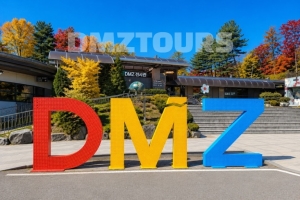
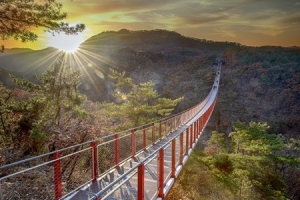
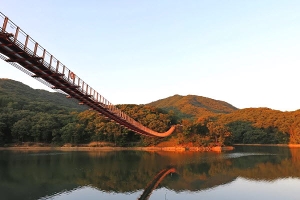
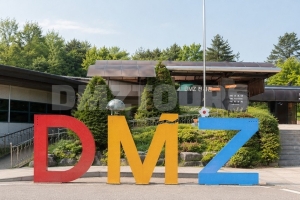
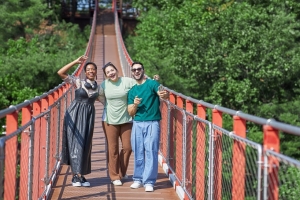


How Do We Offer Such Great Value?
We focus on providing travelers with fair, transparent, and competitive pricing.
No hidden fees. No surprise charges. No mandatory add-ons during checkout.
The price displayed on DMZTOURS is the final price you pay for your reservation.
No hidden fees. No surprise charges. No mandatory add-ons during checkout.
The price displayed on DMZTOURS is the final price you pay for your reservation.
We work directly with trusted local tour operators in Korea
to provide competitive pricing and great value.
By keeping our operations efficient and reducing unnecessary costs,
we can offer transparent prices without hidden fees or surprise charges.

A Border of Tension
The Korean Demilitarized Zone (DMZ) is a buffer area between North and South Korea, created after the Korean War. It offers a rare glimpse into one of the world's most heavily fortified borders and remains a symbol of both conflict and hope.

A Historic Line
Stretching 250 kilometers across the Korean Peninsula, the DMZ is not just a military boundary—it's a place of powerful history and unexpected natural beauty. Visiting it reveals stories of division, diplomacy, and dreams of sustainable peace.

The DMZ Experience
The DMZ stands as a living reminder of Korea’s divided past. Tours here allow you to walk near the border, visit historical sites like the 3rd Infiltration Tunnel, and gain invaluable, behind the scenes insight into ongoing efforts for
reconciliation.
Panmunjom / JSA Tour Notice
The JSA tour has been suspended since late 2019 and remains unavailable. As of
November
2025
, tourist visits and tour programs are not permitted. The resumption of the Panmunjom (JSA) tour has not been scheduled yet.
Silent Border
Visit the DMZ where peace waits
The History of the DMZ
The Korean Demilitarized Zone (DMZ) is a buffer area that separates North and South Korea. It was established on July 27, 1953, when the Korean War ended in an armistice agreement—not a peace treaty—between the two sides.
The war had left millions dead or displaced, and the armistice sought to prevent further conflict while leaving the peninsula technically still at war.
The DMZ stretches approximately 250 kilometers across the Korean Peninsula and is 4 kilometers wide. It is heavily fortified on both sides, with fences, landmines, and military installations, despite being officially "demilitarized."
It symbolizes both the intense conflict of the past and ongoing tensions between North and South Korea.
For visitors, the DMZ offers a powerful glimpse into Korea’s divided history. Sites like the Joint Security Area (JSA), the 3rd Infiltration Tunnel, Dora Observatory, and Dorasan Station provide both educational and emotional experiences.
The DMZ stands as a stark reminder of the past, but also a place where hope for peace and reunification continues to live.
The war had left millions dead or displaced, and the armistice sought to prevent further conflict while leaving the peninsula technically still at war.
The DMZ stretches approximately 250 kilometers across the Korean Peninsula and is 4 kilometers wide. It is heavily fortified on both sides, with fences, landmines, and military installations, despite being officially "demilitarized."
It symbolizes both the intense conflict of the past and ongoing tensions between North and South Korea.
For visitors, the DMZ offers a powerful glimpse into Korea’s divided history. Sites like the Joint Security Area (JSA), the 3rd Infiltration Tunnel, Dora Observatory, and Dorasan Station provide both educational and emotional experiences.
The DMZ stands as a stark reminder of the past, but also a place where hope for peace and reunification continues to live.
DMZ Tourist Visits in
2025
As of
2025
, the Korean DMZ continues to attract strong international and domestic interest, drawing over 1.2 million visitors annually. The easing of global travel restrictions and the Korean government's focus on cultural tourism have helped revive DMZ
tour programs after earlier pandemic-related declines.
Tourism in the DMZ is tightly controlled but accessible through guided group tours. Popular destinations within the zone include the Joint Security Area (JSA), where visitors can see North Korean soldiers just meters away; the 3rd Infiltration Tunnel, secretly dug by the North; and the Dora Observatory, offering panoramic views across the border. Dorasan Station, a symbol of hoped-for reunification, also remains a key highlight.
In 2025 , new interactive museum exhibits and augmented-reality experiences were added to enhance tourist engagement, particularly for younger visitors. The South Korean government also improved language support and infrastructure for foreign guests, which led to a 15% increase in non-Korean tourists compared to the previous year.
Safety measures remain strict, with background checks, escort requirements, and limitations on photography. Despite this, most visitors describe the experience as both informative and deeply moving. Many express a renewed interest in Korean history, politics, and culture after the tour.
Overall, the DMZ in 2025 is more than just a military buffer—it's a living museum and a space for reflection. Tourists continue to come not just to witness division, but to imagine a future of peace.
Tourism in the DMZ is tightly controlled but accessible through guided group tours. Popular destinations within the zone include the Joint Security Area (JSA), where visitors can see North Korean soldiers just meters away; the 3rd Infiltration Tunnel, secretly dug by the North; and the Dora Observatory, offering panoramic views across the border. Dorasan Station, a symbol of hoped-for reunification, also remains a key highlight.
In 2025 , new interactive museum exhibits and augmented-reality experiences were added to enhance tourist engagement, particularly for younger visitors. The South Korean government also improved language support and infrastructure for foreign guests, which led to a 15% increase in non-Korean tourists compared to the previous year.
Safety measures remain strict, with background checks, escort requirements, and limitations on photography. Despite this, most visitors describe the experience as both informative and deeply moving. Many express a renewed interest in Korean history, politics, and culture after the tour.
Overall, the DMZ in 2025 is more than just a military buffer—it's a living museum and a space for reflection. Tourists continue to come not just to witness division, but to imagine a future of peace.
Office Hour
10:00 - 15:00 Tue.-Fri.
10:00 - 12:00 Sat.
Policies

DMZTOURS
서울특별시 중구 을지로27길 35(주교동) 2층 202호
- Business Registration Number :
- 378-27-01705 View Business info >
- Mail-order business report number :
- 제2025-서울중구-720호
- Representative :
- 한재호
- Representative number :
- 02-723-5500
- Personal Information Manager :
- Hosting : NHN COMMERCE Corp.
copyright. 2025. DMZTOUR.ORG. All rights reserved.

